AI / AUTOMATION / DIGITAL SYSTEMS

Project Portfolio

The projects below show how TAT Living Limited builds systems across AI, automation, on-premise deployment, edge devices, smart buildings and multimedia workflows.

Business Operations

Business Operations / Internal AI System

TAT Hub

TAT Hub is an AI-first business operations platform that brings tasks, scheduling, accounting, invoicing, email, knowledge management and project tracking into one place.

A web dashboard is the primary interface, supported by an Android dashboard, a macOS dashboard and an AI assistant. From there a user manages job cards, to-do items, calendars, incoming payments, invoices, expense records, email, GitHub project progress and the company knowledge base. Everything is reachable in natural language: query records, create tasks, schedule work, issue an invoice, generate a payment link, file a document or draft a reply.

The architecture includes a Next.js web app, a Supabase / PostgreSQL database, Airwallex payment links, PDF invoice generation, email sync, the GitHub API, a Markdown knowledge vault, a mobile API, a native macOS app, a native Android dashboard, and a local AI worker and agent queue. The result is an internal business OS in which the AI genuinely reads, writes and acts on data — not a dashboard that only displays it.

Industry Workflow Systems

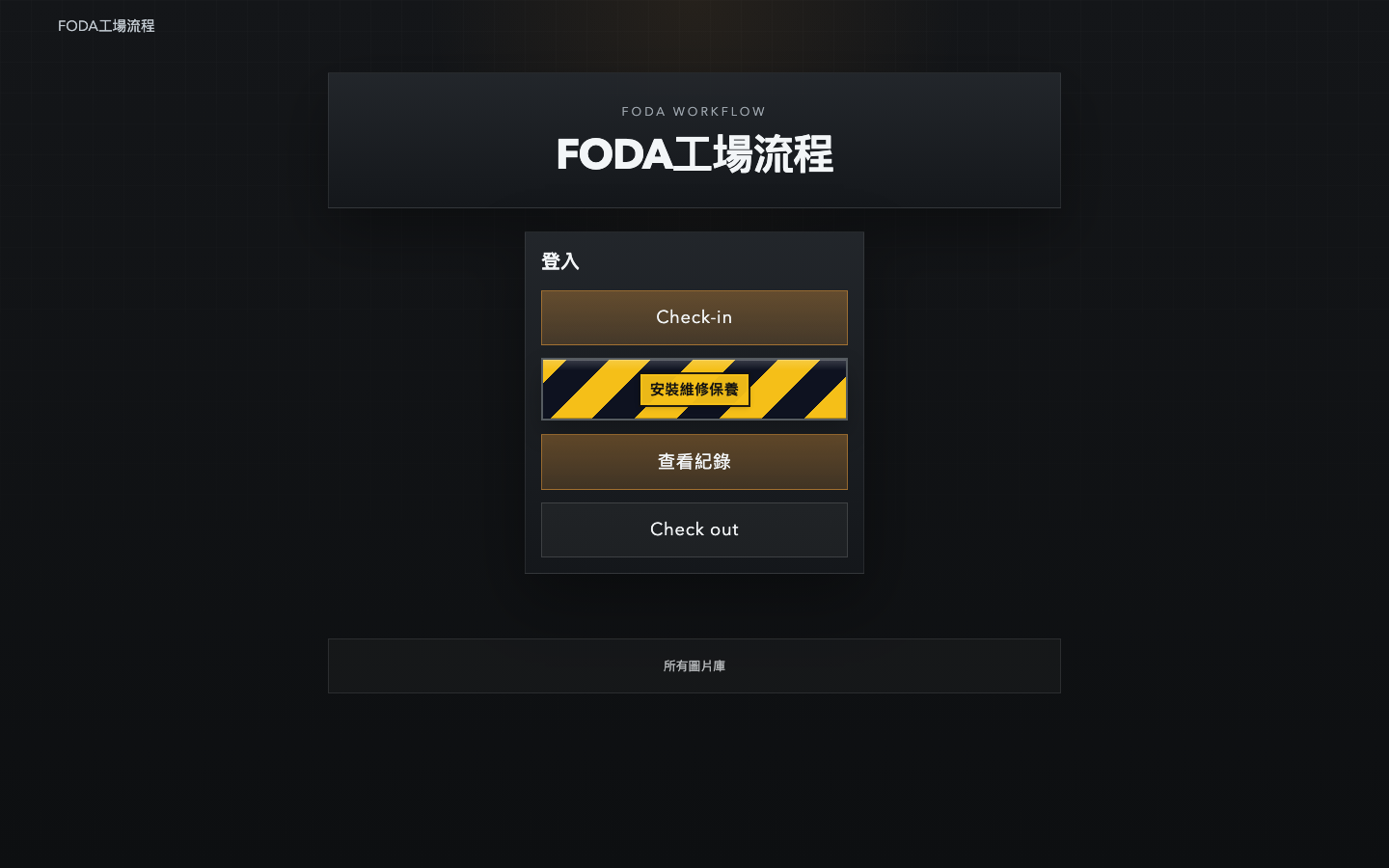
FodaPhoto automotive workflow screenshot Automotive Workflow / Local AI Media Automation

FodaPhoto

FodaPhoto is a locally deployed operations system for automotive workshops, combining customer records, vehicle photography, appointments, service history and AI marketing media generation.

It supports the daily workflow of a working garage: customer check-in, vehicle photo upload, plate and model records, repair items, service history, appointment scheduling, customer search, expense records and marketing image management. Photos and media are handled on-premise, which suits a physical workshop that needs speed, reliability, predictable cost and a large image library under its own control.

The AI layer focuses on marketing automation and media generation: promotional images, social media assets and marketing visuals produced from vehicle photos, product shots, service items and brand material. The architecture includes a local server, a web interface, local media storage, a database, scheduled synchronisation, a backup workflow, OpenAI image generation, local Qwen generation, a queue worker and a prompt pipeline — a local AI workflow system that ties day-to-day workshop operations to AI content production.

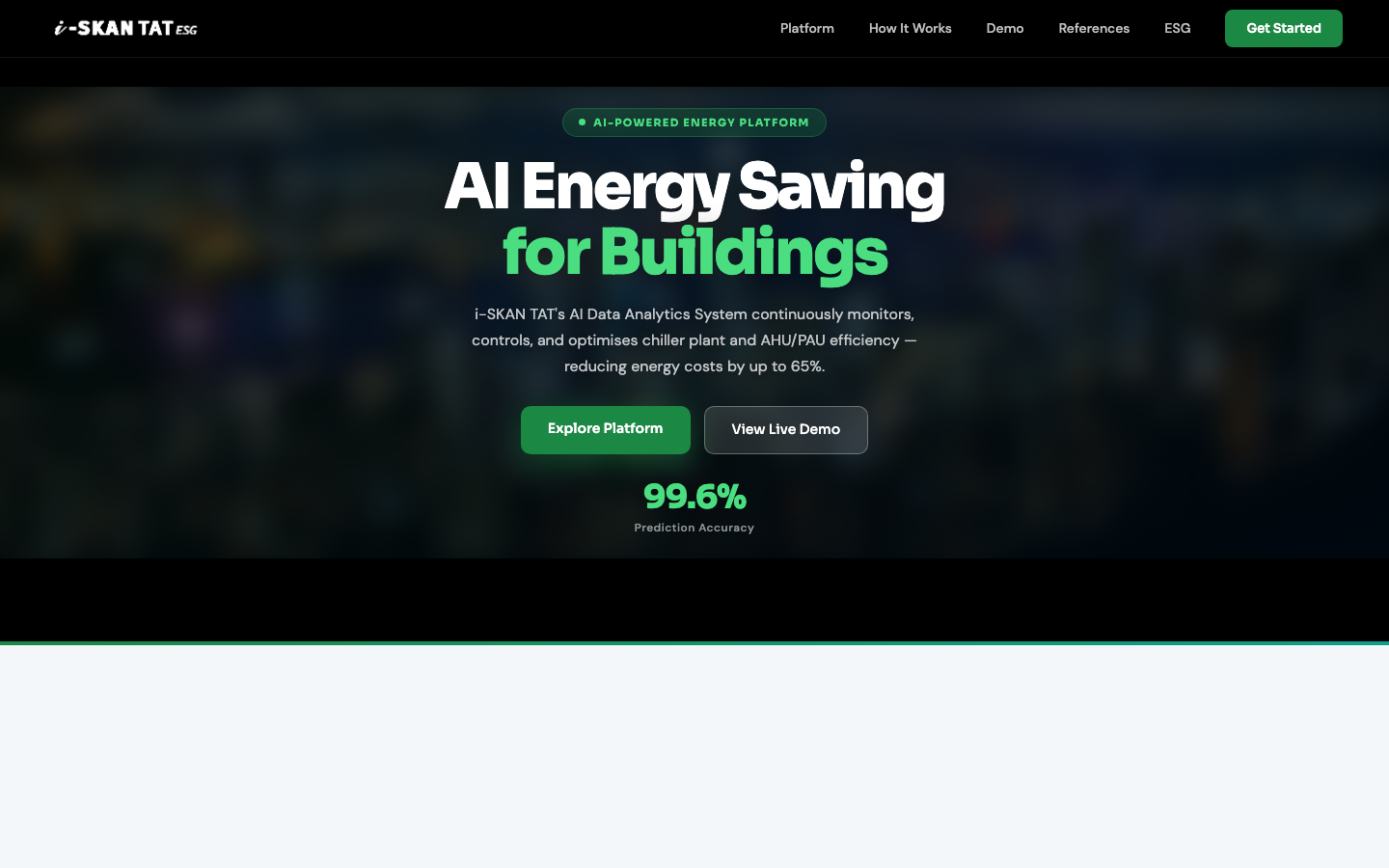
iSkanTAT energy AI platform screenshot Smart Building / AI ESG / Energy Optimization

iSkanTAT × Energy AI Platform

iSkanTAT × Energy AI Platform is an AI ESG and smart-building energy optimisation project delivered in collaboration with JLL, applying AI to building energy analysis, BMS data extraction and energy-saving decisions.

Built for malls, hotels, offices, schools and property management operations, the system converts building management data — chiller plant, chilled water temperatures, flow, pump status, weather and occupancy mode — into structured data an AI can reason over. The goal is to help operators understand consumption accurately, detect anomalies, forecast cooling load, optimise chiller sequencing, improve supply water temperature strategy, and support ESG reporting and energy-saving recommendations.

The architecture includes an on-site AI node, HDMI and screen capture, BMS data ingestion, OCR and vision models, a local Qwen vision model, cloud AI models, a Supabase / PostgreSQL data layer, a backend API, a dashboard frontend, energy analytics, anomaly detection and an ESG reporting module. In effect it adds an AI intelligence layer on top of a conventional BMS, so that even an older building can be upgraded step by step into a measurable, predictable and optimisable smart building energy system.

Creative AI Systems

Creative AI / Photography Workflow

PickShot × PlaceShot × Lightroom-to-Drive

PickShot × PlaceShot × Lightroom-to-Drive is an AI photography workflow for photographers and creative teams, covering image selection, comparison, AI promotional imagery and cloud backup.

The system targets everything a photographer does between the shoot and the handover: culling large volumes of images, grouping near-duplicates, selecting the best shot, comparing candidates, organising before grading, delivering to the client, generating promotional imagery and backing up for the long term. The intent is to place AI inside the photographic workflow, so that large shoots are processed faster and usable material becomes marketing visuals.

The architecture includes browser-based local AI analysis, CLIP-style image scoring, similar-image grouping, a comparison interface, AI image generation, location-based visual generation, cloud photo backup, client delivery links, object storage and metadata indexing. The work is at an early stage, but the direction is a complete photography AI workflow running from import through analysis, comparison, creative generation and backup to final delivery.

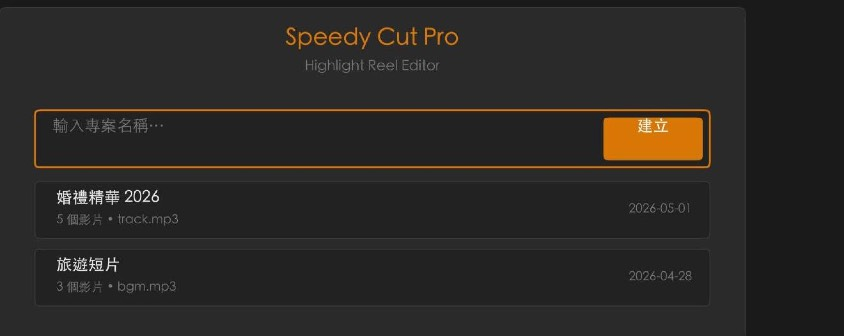
YTScript and SpeedyCut video automation screenshot Media Production / Video Automation

YTScript × SpeedyCut

YTScript × SpeedyCut is an AI video production workflow for footage analysis, production script generation, material selection and assisted editing.

It addresses the parts of video production that normally demand sustained human judgement: analysing reference footage, breaking it into shots, transcribing dialogue, reading pacing, generating a shot-by-shot production script, selecting highlights, aligning to musical beats, producing edit instructions and rendering a first cut. It suits YouTube content, event films, wedding post-production, product promos, short-form content and general creative production.

The architecture includes video ingestion, audio transcription, frame extraction, scene analysis, multimodal AI analysis, script generation, TUI and GUI workflows, music beat detection, highlight selection, motion rendering, subtitle and voice workflows, and a render and export pipeline — a media automation system that carries AI from analysis through to the edit itself.

Language Interface

Language / Translation / Voice Interface

VoiceIME × TransIME × LiveTranslate

VoiceIME × TransIME × LiveTranslate is a group of AI language interface projects built around Cantonese, multilingual translation, real-time speech and input methods.

Designed for Hong Kong and other multilingual working environments, the system lets a user write in Cantonese, Chinese or whichever language comes naturally, and produces English or another target language instantly — for WhatsApp, email, search, customer service, meetings or face-to-face conversation. It also supports real-time two-way speech translation for travel, overseas client communication, exhibitions, cross-language meetings and smart glasses subtitles.

The architecture includes an Android IME, speech-to-text, multi-candidate speech recognition, large language model translation, context-aware rewriting, real-time conversation translation, text-to-speech, a mobile keyboard service, and a subtitle display that extends to smart glasses — a language AI layer joining voice input, live translation, multilingual output and wearable interfaces.

Hardware / Edge AI Systems

AI Edge Device / Private AI Appliance / Tansu OS

Tansu Vault

Tansu Vault is an AI edge device: through our own Tansu OS it brings hardware, operating environment, private AI, knowledge vault, WhatsApp workflow and admin console together into a single deployable private AI appliance.

Tansu Vault is not a single web app but a hardware-to-software integrated appliance. It turns a mini PC or local server into a dedicated private AI workstation running the Tansu OS environment, with kiosk onboarding, WiFi setup, WhatsApp connection, document library, knowledge base, RAG question answering, user permissions, admin dashboard, AI worker, backup, reset and system monitoring.

The architecture includes a Linux-based appliance environment, a locked-down kiosk browser, local network setup, device onboarding, a WhatsApp bridge, self-hosted Supabase / PostgreSQL, file storage, vector search, a RAG pipeline, an OCR service, a hybrid local and cloud model strategy, an admin web console, system services, background workers, a factory reset flow and access control. The design turns ordinary hardware into a private AI operating system that can be delivered to an SME as a finished product.
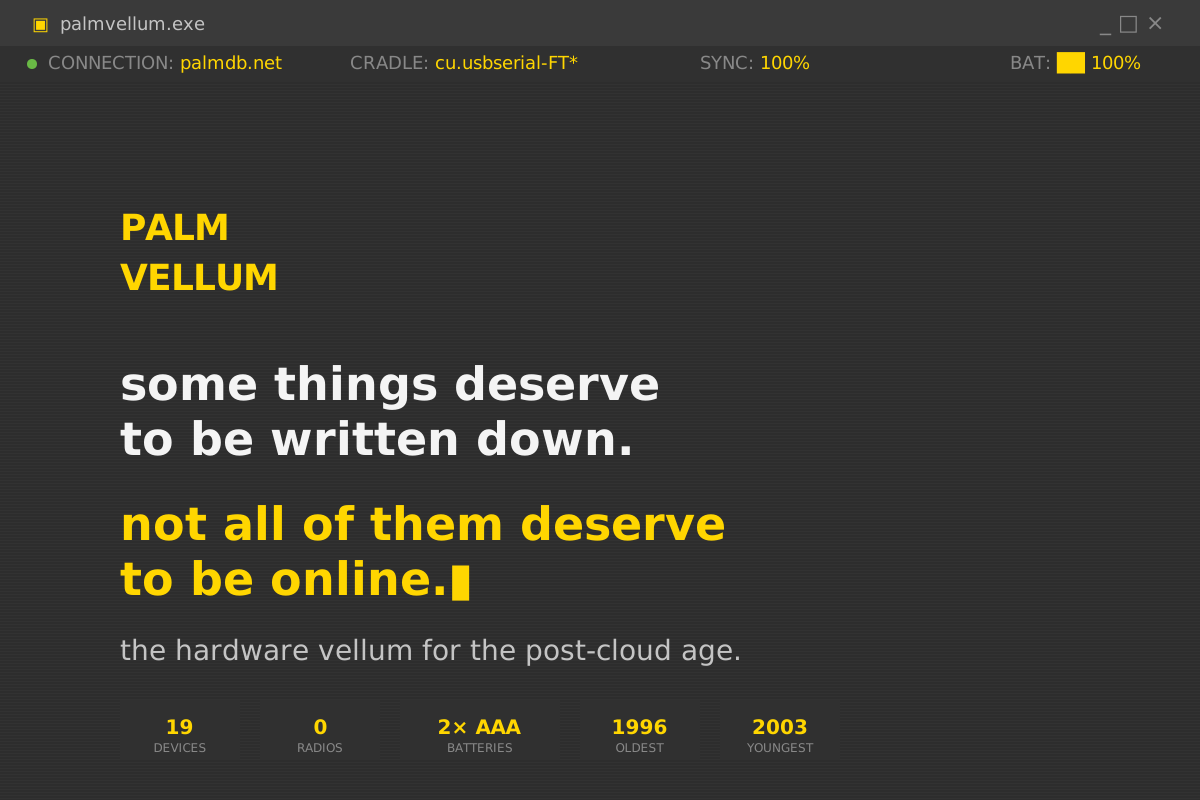
PalmVellum legacy productivity system Hardware / Legacy Device Productivity

PalmVellum × PalmQR

PalmVellum × PalmQR is a hardware productivity project connecting legacy PDAs such as the Palm Pilot and Sony CLIE to modern cloud sync, an AI assistant and a current productivity workflow.

Palm Date Book, To-do, Memo and Contacts data is linked to a modern web app, database, calendar, AI assistant and mobile dashboard. The Palm device becomes a low-distraction, offline-first productivity terminal that still stays in sync with a contemporary working system.

The architecture includes Palm database parsing, HotSync and file sync, a macOS helper app, Supabase / PostgreSQL, calendar records, to-do records, note sync, QR generation, a PWA and mobile interface, and AI assistant integration — legacy offline hardware turned into a modern local-first productivity system.

Hardware / Edge Device Repurposing

CosmoHID × Cosmo Device Fixes

CosmoHID × Cosmo Device Fixes is a hardware repurposing project built around the Planet Cosmo Communicator, converting an ageing mobile device into a genuinely useful input and edge device.

Using the Cosmo's physical keyboard, its mixed Android and Linux environment and its clamshell computing form, the device is repositioned as a Bluetooth keyboard, an edge terminal or a small remotely accessible tool. The emphasis is on software repair, automation and system tuning that keep older hardware in productive service.

The architecture includes an Android IME, Bluetooth HID Device support, low-latency key relay, Doze prevention, persistent Bluetooth pairing, Linux and Android debugging, firmware diagnosis, battery drain analysis, Tailscale SSH, local CLI tools and an edge device maintenance workflow — a demonstration of how software engineering extends the life and usefulness of legacy mobile hardware.